





High-Performance Castor Wheels & Mobility Solutions in New Zealand
At Vartec Industrial, we provide durable, reliable, and high-performance mobility products for all industries across New Zealand.
Whether you’re upgrading equipment, improving workplace efficiency, or searching for custom wheel solutions, our expertly designed castor wheels ensure smooth, safe, and dependable movement every time. With a wide range of styles, load capacities, and materials available, we make it easy to find the perfect fit for your business, workshop, or personal project.
Shop Castor Wheels by Category








Need help finding the right castor wheels for your project?
Contact our Team for more help 09 444 1335
Monthly Specials
Find deals here!
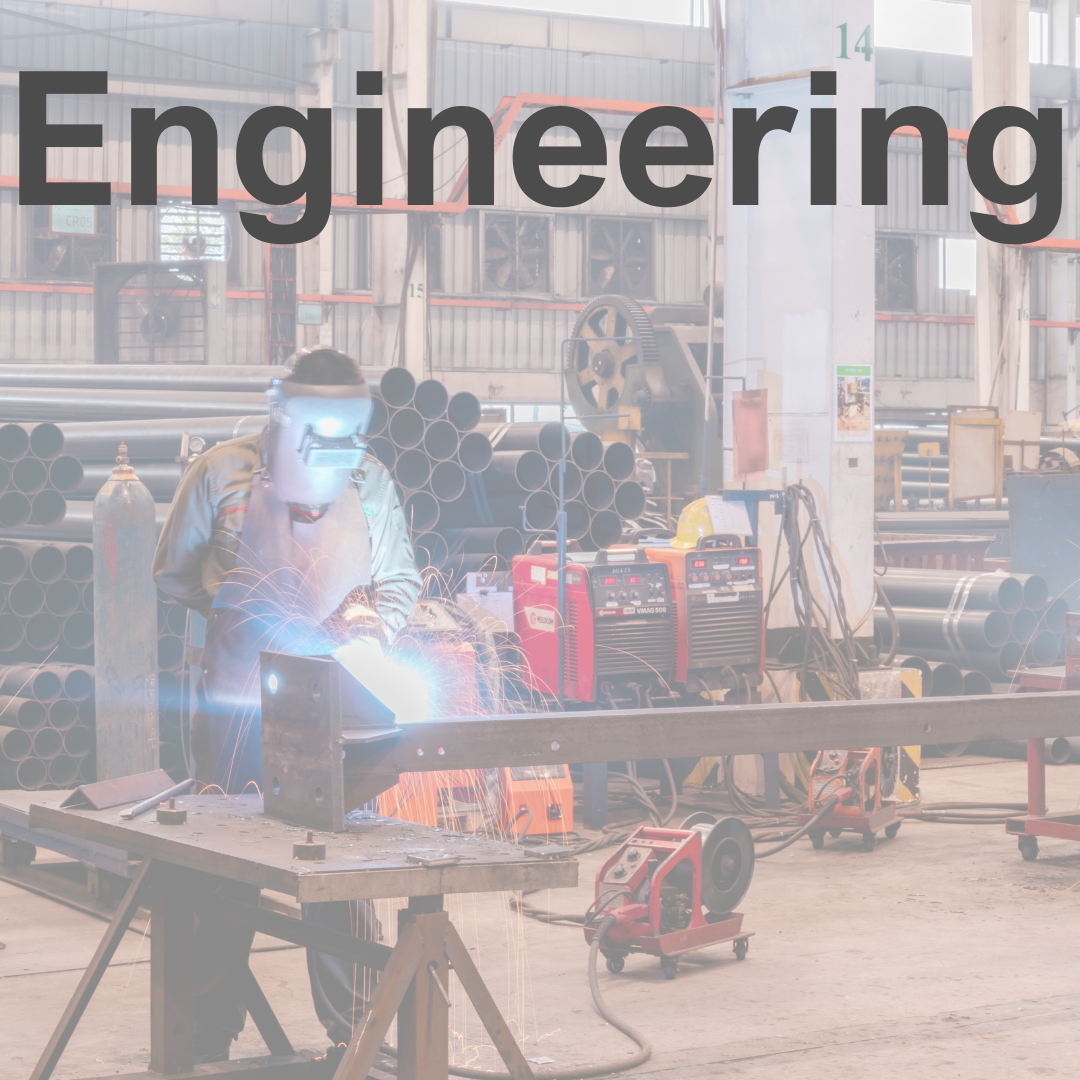
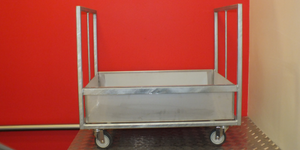
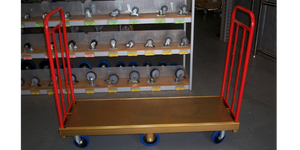
Our fabrication team will bring your ideas to life, coupled with our castors to make your project move






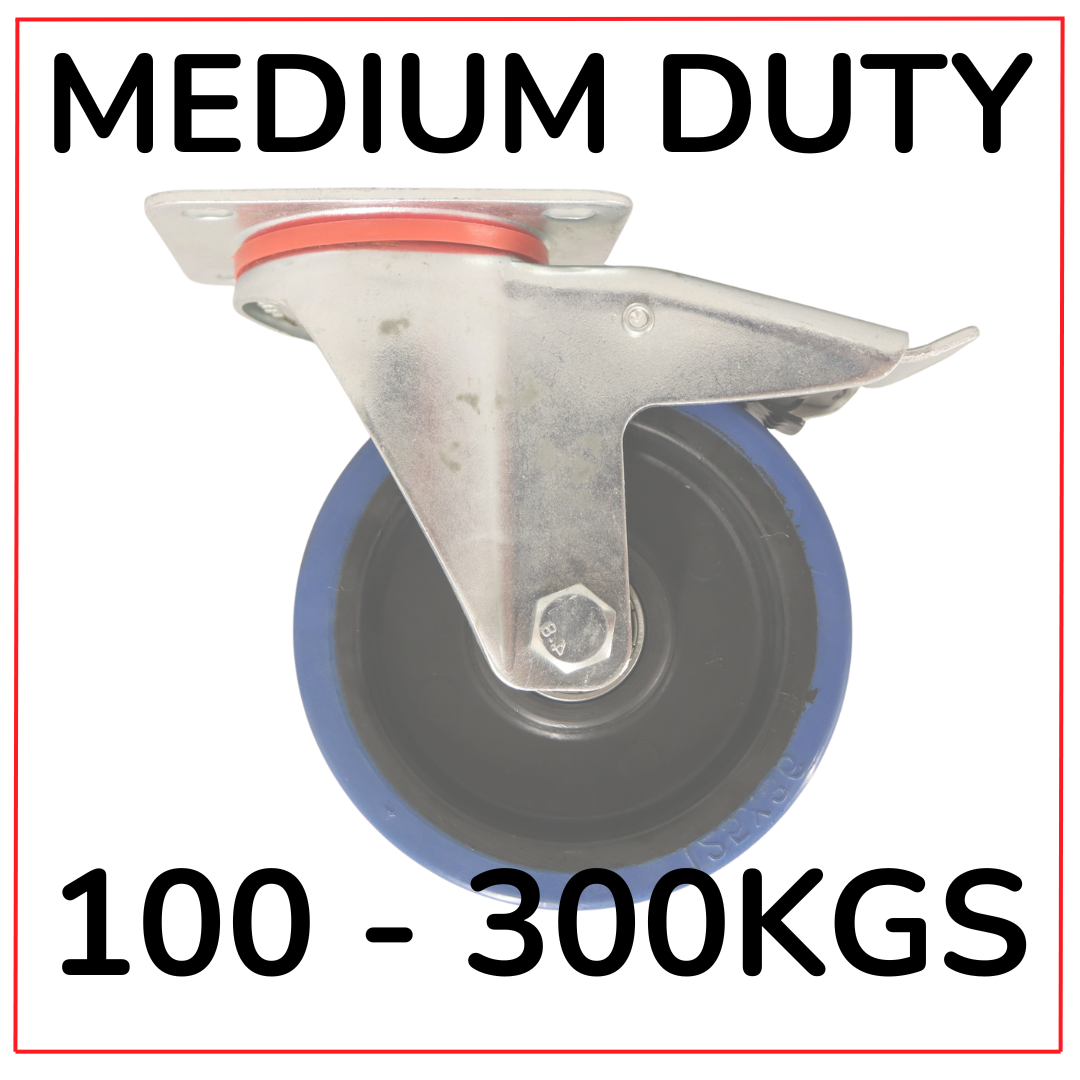
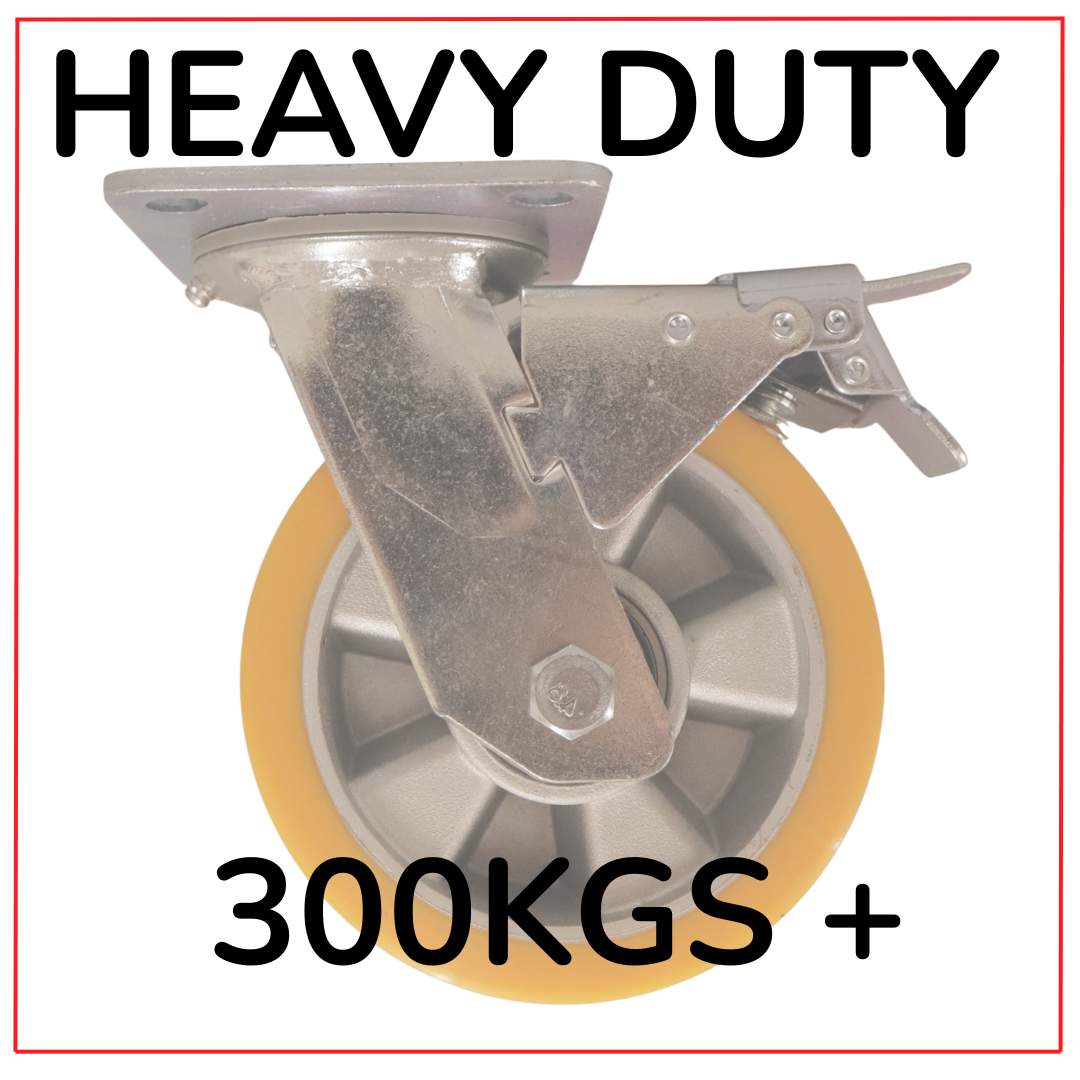
Find Castor Wheels By Loading Capacity

Unmatched Versatility
Our Castor Wheel Features
Light Duty Castors
Lockable Castors
High Temperature Castors
Swivel Castors
Fixed Castors
Provide steady support and straightforward movement with our fixed castors, suitable for linear paths.
Pneumatic Castors
Navigate uneven surfaces with ease using our pneumatic castors, offering superior shock absorption.
Customer Reviews

Thank you for such fantastic service today. My travelling bike case needed a new castor. The helpful guy replaced them all while I waited. I’m very happy with the superior quality castors. Thank you
– Rose
Absolutely top notch service. Very helpful and friendly with a wide product range and great pricing. I would highly recommend Vartec Industrial if you are looking for Castors.
– Marty H.
Hello, Good service, kindly want to suggest that please add your email id on website.
– Cherry V.
One of the few places that I have enjoyed shopping at ……very friendly and helpful service.
– Tony B.
Great people to deal with,helped me out,cheers.
– Mark
Frequently Asked Questions
What is a castor wheel?
A castor wheel is a wheeled fitting that attaches to the base of objects such as trolleys, carts, machinery, and furniture.
This will allow them to be moved easily across floors. A castor assembly consists of a wheel, a mounting fork, and either a fixed or swivel top plate.
Castors are rated by load capacity, wheel size, and material, which determines which application they are suited for.
Is it "caster" or "castor"?
Both spellings refer to the same product. “Castor” is the correct spelling in New Zealand, Australia, and other Commonwealth countries. “Caster” is the American English spelling. You will see both used in product catalogues and online – either is acceptable, but in New Zealand “castor” is the standard.
How long do castor wheels last?
The lifespan of a castor wheel depends on the load it carries, the floor surface, the frequency of use, and the wheel material. In light to medium duty applications, good quality castors can last several years with minimal maintenance.
In heavy industrial environments with constant use, castors may need to be inspected and replaced more regularly – particularly the wheel and swivel bearing. Polyurethane-treaded castors tend to last well on smooth floors, while cast iron wheels are more suited to rough or high-temperature environments where other materials would degrade.
Regular inspection for flat spots, cracked wheels, seized bearings, and worn brakes will help maximise service life.
How do I install a castor wheel?
Most castors from Vartec Industrial use a swivel plate or fixed plate mounting, which bolts directly to the base of the equipment using four fixing holes.
To install, position the castor plate over the pre-drilled holes on your equipment, insert the appropriate bolts, and tighten securely. Always ensure the mounting surface is flat and structurally sound.
For heavy-duty applications, use grade 8 bolts and check that the bolt pattern matches the castor plate dimensions. If fitting castors to a new frame or trolley, the plate dimensions and bolt hole spacing are listed on each product page at vartecindustrial.co.nz.
How do I know when to replace my castor wheels?
You should replace a castor wheel when you notice any of the following: flat spots or chunks missing from the wheel tread, cracking or splitting of the wheel material, a seized or rough-running swivel bearing, excessive wobble or play in the wheel axle, or a brake that no longer holds securely.
Worn castors increase the effort required to move loads and create a risk of equipment tipping or rolling unexpectedly.
In industrial environments, it is good practice to inspect castors at regular intervals rather than waiting for visible failure.
How do I calculate the total load capacity needed for my castors?
To calculate the load capacity required, take the total weight of the equipment plus its maximum load, then divide by the number of castors being used.
As a safety rule, always apply a safety factor of at least 1.3 to 1.5 to account for dynamic forces such as impacts, ramps, uneven floors, and momentum during movement.
For example, if your trolley and its contents weigh 400 kg and you are using four castors, each castor should be rated for at least 130–150 kg (400 ÷ 4 × 1.3–1.5).
It is always better to overspec your castors slightly than to run them at their maximum rated load continuously.
Our Valued Clients










This Months Specials
End of range projects at prices you cant say ‘NO’ to